
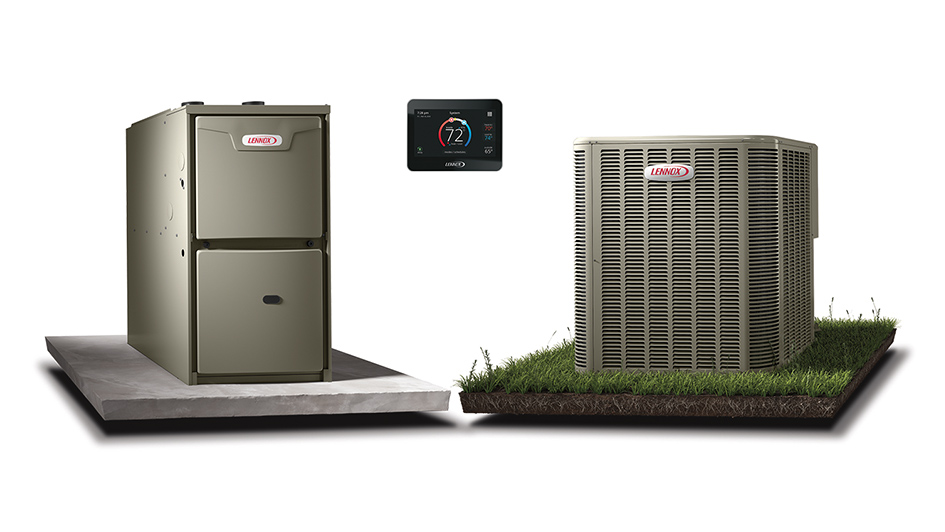
The idea of installing both a furnace and heat pump might feel a little unusual at first. After all, why would you need two sources of heat? Even though furnaces and heat pumps both produce energy-efficient heat, the changes in their design actually make using both of them a reasonable option. It’s not for everyone, but in the right conditions you will definitely benefit from owning a furnace and a heat pump.
You’ll want to think about several factors in order to decide if this type of setup helps you. Your local climate and the size of your home are both especially important, namely for the heat pump. This is because multiple models of heat pumps begin to work less effectively in cooler weather and bigger homes. At the same time, you can still benefit from heat pump installation in Bartlesville.
Heat Pumps Might Be Less Effective in Colder Weather
Heat pumps are generally less effective in colder weather because of how they generate climate control to start with. Unlike furnaces, which combust fuel to provide heat, a heat pump reverses its supply of refrigerant to draw heat from outdoor air. This heat is then brought inside and distributed around your home. Provided there is still a bit of heat energy in the air, a heat pump can function. But the cooler the temperature, the less effective this process is.
The less heat energy is available outside, the more effort is required for a heat pump to draw heat indoors to reach your ideal temperature. It can depend on the type of make and model, but heat pumps can start to lose out on efficiency at temperatures of 40 degrees and below. They still remain an energy-efficient option until 20-25 degrees, at which a gas furnace should be more effective.
What Temperatures Do Heat Pumps Perform Best In?
Heat pumps work best in milder climates 40 degrees and up. That said, you don’t have to sacrifice the benefits of a heat pump just because your local climate is cold. In fact, that’s why installing both a furnace and heat pump might be worth the expense. You can favor the heat pump for energy-efficient heat until the weather is chilly enough to call for shifting to something like a gas furnace.
Some makes and models boast greater efficiency in cold weather. For example, the Lennox MLA heat pump is capable of running at 100% capacity at 0°F. It can even remain functional in temperatures as extreme as -22°F. For optimum energy efficiency, you’ll likely still want to switch to the furnace in particularly cold weather.
So Should I Install a Heat Pump if I Use a Gas Furnace?
If you’re serious about maintaining the most energy-efficient HVAC system available, owning a heat pump and gas furnace at the same time is worth the investment. Not only is a dual-heating system versatile, but it provides other benefits such as:
- A source of backup heating – A redundant heating system means even if one fails, you still have the means to heat your home. It may not be the most energy efficient, but it’s better than living in an unheated home while you hold out for repairs.
- Fewer energy costs – The ability to decide which heating system you use depending on the highest energy efficiency lowers your total costs. Smaller heating bills over the lifetime of these heaters can really add up to plenty of savings.
- Less strain on both systems – Rather than running one system all winter long, heating resources are separated between the furnace and heat pump. Crucial components can survive longer as they’re not under continuous use.
If you’re still unsure about heat pump installation in Bartlesville, don’t hesitate to contact your local certified technicians. They can review your home’s comfort needs and help you decide if a dual-heating HVAC system is the ideal option.