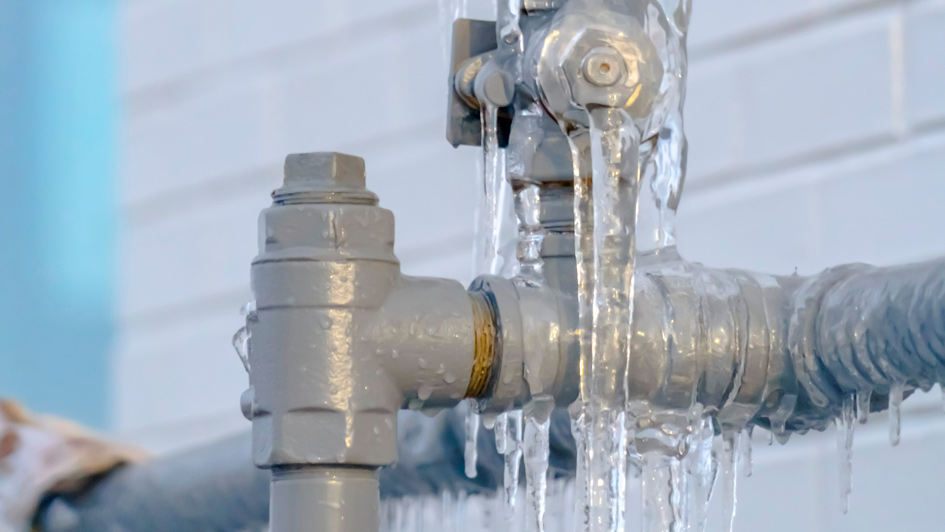
The snowy winter weather presents a great opportunity for fun activities like sledding down the neighborhood hill or snowball fights in the back yard. At the same time, winter weather can be tough on your home. Excessively cold conditions can cause the water lines in your home to freeze and burst, which can result in significant water damage and long-lasting negative effects.
When your pipes are frozen, you might need to contact a plumber in Bartlesville to fix them. That being said, there’s a lot you can attempt to prevent this from happening – and even a little prevention can go a long way.
What Pipes Are at a Higher Chance of Freezing
The pipes at the highest risk of freezing are uninsulated water lines. Common locations for uncovered pipes are inside attic crawlspaces, near exterior walls, in the basement or even running under a modular home. Water lines that are not properly insulated are at the greatest risk.
How to Keep Pipes from Freezing Over in Your Home
Thoroughly insulating uncovered water lines is a great first step to keeping your pipes free of ice. You’ll likely find lots of these materials from your local plumbing company, and could also already have some somewhere in your home.
Be careful not to cover other flammable insulation materials where they may be caught on fire. If you don’t feel safe insulating the pipes yourself, call your local plumbing services professional in Bartlesville to get the job done right.
If you do choose to insulate the pipes by yourself, common insulation materials for pipes are:
- Wraps or roll insulation: Many plumbers, hardware stores and big box retailers offer insulation – typically fiberglass, foam wraps or pipe sleeves – that you can use to cover or fit around your pipes. They are offered in differing lengths and sizes to satisfy the needs of your home.
- Newspaper: To a decent degree, newspaper can be used for insulation. If the weather is getting colder and you aren’t able to add insulation soon enough, wrap uninsulated pipes in this.
- Towels or rags: If you miss the opportunity to buy insulation and don’t have any newspaper handy, wrapping particularly vulnerable pipes with towels or clean rags as a final effort may be just enough to keep the cold air from freezing the pipes.
An additional preventative step you can try to prevent pipes from freezing in your home is to seal up any cracks that can allow cold air inside your home. Focus on the window frames, which can let in surprisingly strong drafts. Not only will this help to keep your pipes from freezing, but it will have the extra benefit of making your home more energy efficient.
Five More Ways to Keep Your Pipes from Freezing:
- Open the cabinet doors. Opening the cabinet doors under the sinks and other spaces of your home with pipes will permit more warm air from the rest of the room to flow near the pipes.
- Letting water drip. Keeping a flow of water by letting your faucets drip even just a little can help prevent frozen pipes.
- Open interior doors. By opening doors in rooms or hallways, your home can be heated more equally. This is mostly important if you have a room that is frequently colder or hotter than other rooms.
- Close the garage door. The exception to the open doors tip is the garage door, which you should keep closed – namely if your water lines run through the garage.
- Keep the heat steady. Experts encourage setting the thermostat at a uniform temperature and leaving it there, rather than permitting it to get cooler at night. Set it no colder than 55 degrees.
How to Keep Pipes from Freezing in a Vacant Home
When you’re inside a house, it’s not difficult to recognize when something goes wrong. But what added steps can you try to stop pipes from freezing in an empty home or vacation home when the damage from a frozen pipe might not be discovered for a while?
As with your primary residence, placing extra insulation around any exposed water lines, opening interior doors throughout the home and winterizing the vacant home are the best steps to try at first.
Other Steps to Keep Pipes from Freezing in an Unused Home:
- Leave the heat on. Even though you aren't currently using the home, it’s best to keep the heat on – even if you switch the thermostat down colder than you would if you were there. As with a primary house, experts encourage keeping the temperature at no lower than 55 degrees.
- Shut water off and drain the lines. If you’re going to be away for several weeks or are winterizing a rustic cabin or cottage, switching the water off to the house and clearing the water out of the water lines is one way to stop pipes from freezing and bursting open. Don’t forget to clear the water out of your appliances, including the hot water heater, as well as the toilets. Confirm you clear out all the water from the plumbing. If you're uncertain of how to flush the water from the pipes, or don’t feel comfortable doing it yourself, a plumber in Bartlesville will be delighted to help.